
The signing formalises a partnership that has made the Kampala Geopolitics Conference a leading regional platform for dialogue on global affairs since 2018.
Makerere University, on 10th March, 2026, signed a Memorandum of Understanding with the Embassy of France in Uganda, the Konrad Adenauer Foundation (KAS), and Alliance Française de Kampala to organize the 9th edition of the Kampala Geopolitics Conference (KGC), scheduled to take place on 15–16 April 2026 at Makerere University.
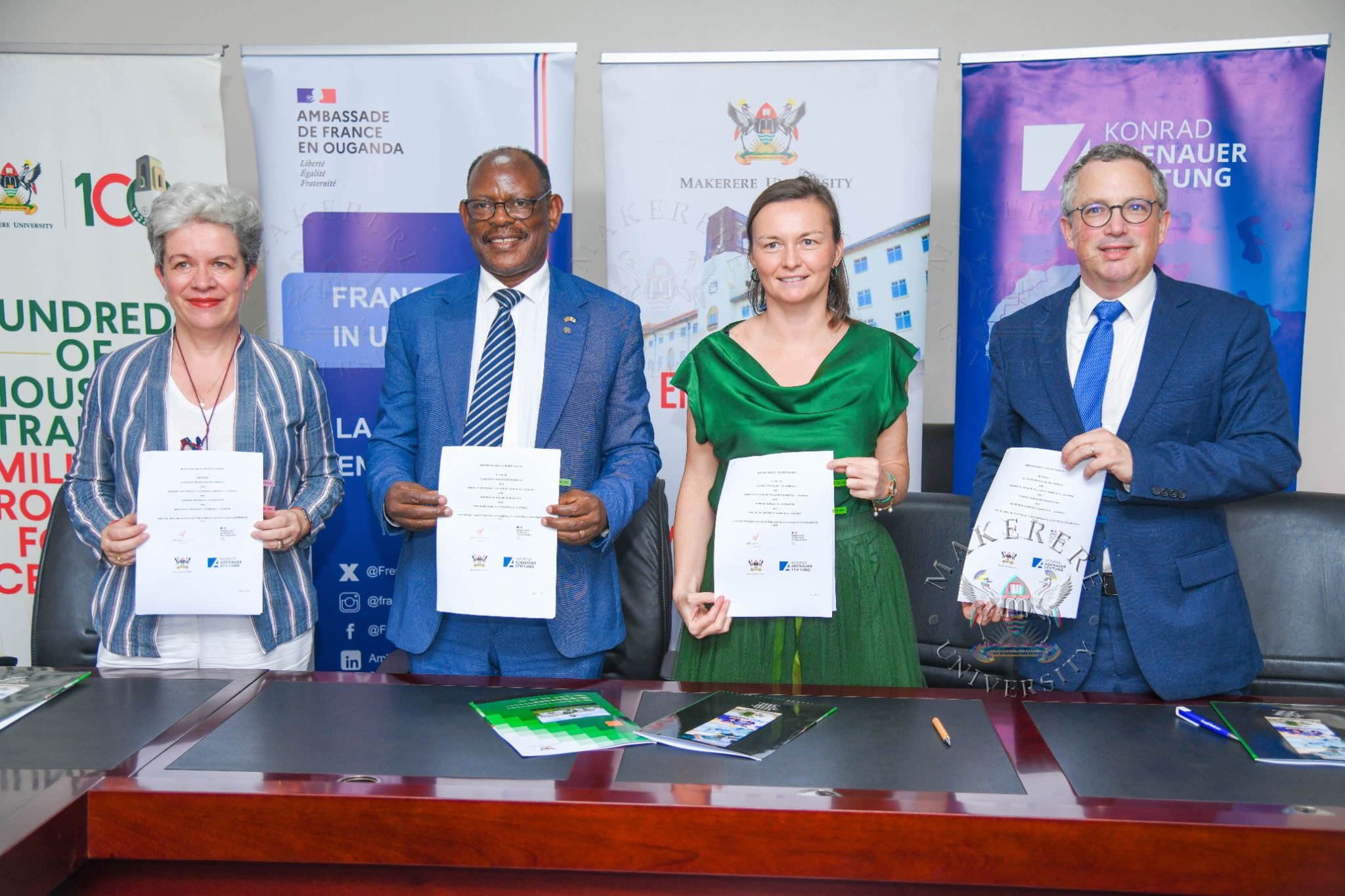
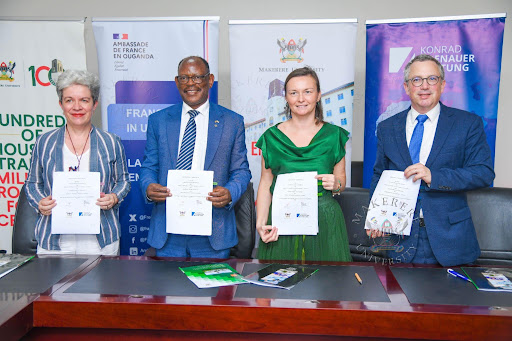
From the left: H.E. Virginie Leroy, Prof. Barnabas Nawangwe, Ms. Anna Reismann, Mr. Loïc Boivin
The signing formalizes the continued partnership that has established the Kampala Geopolitics Conference as one of the region’s leading platforms for dialogue on global affairs, bringing together scholars, policymakers, civil society leaders, and students to debate the major geopolitical and socio-economic transformations shaping the world.
The conference, inspired by the Nantes Geopolitics Conference in France, was first launched in Kampala in 2018 and has since grown into a unique intellectual space for cross-continental exchange between Africa and Europe.
A Platform for Ideas, Dialogue, and Youth Engagement
Speaking at the signing ceremony, Makerere University Vice Chancellor, Prof. Barnabas Nawangwe, emphasized the importance of the Kampala Geopolitics Conference as a platform that connects academic discourse with global policy conversations while empowering students to engage with the complex challenges shaping the international system.
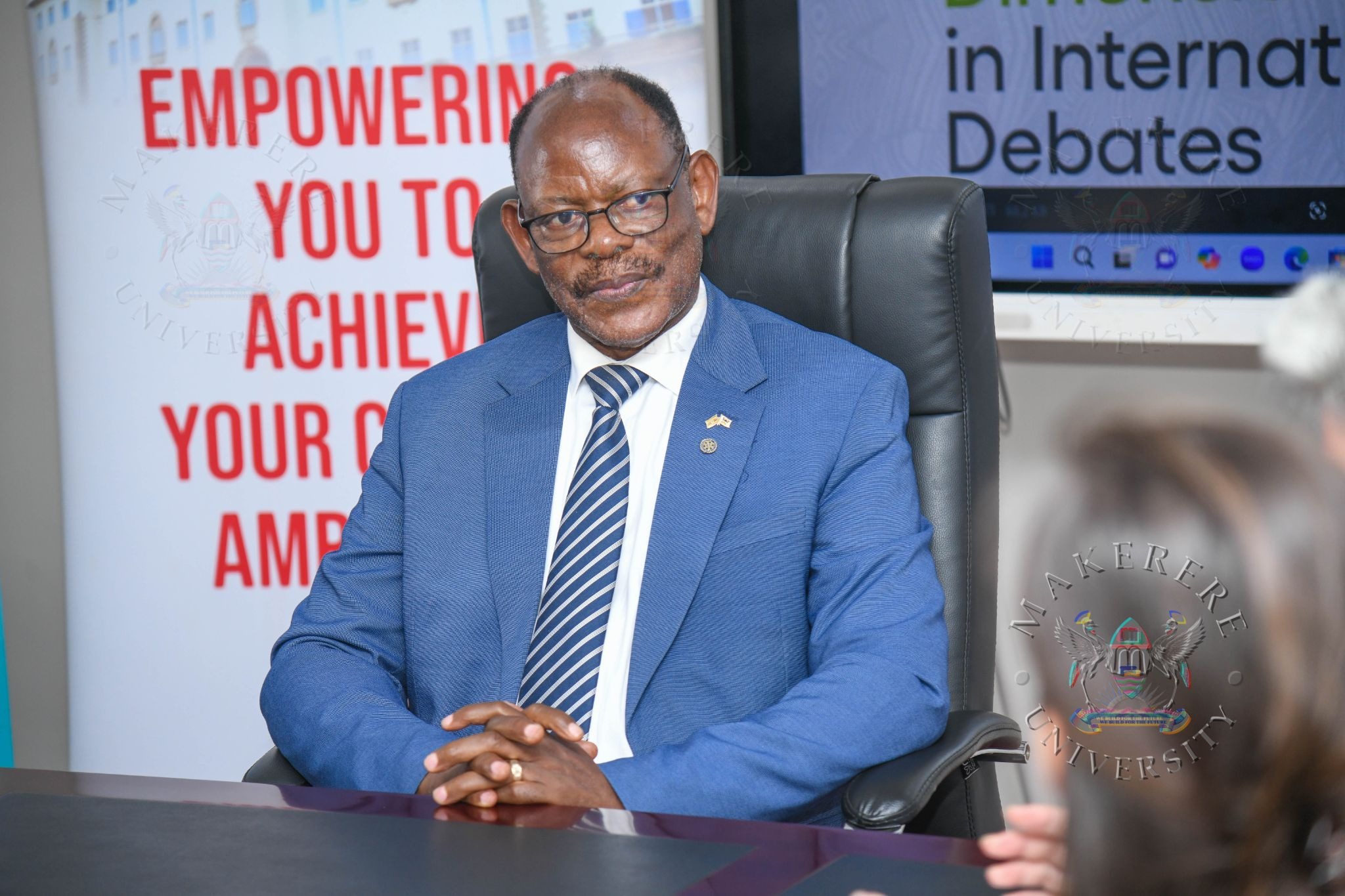
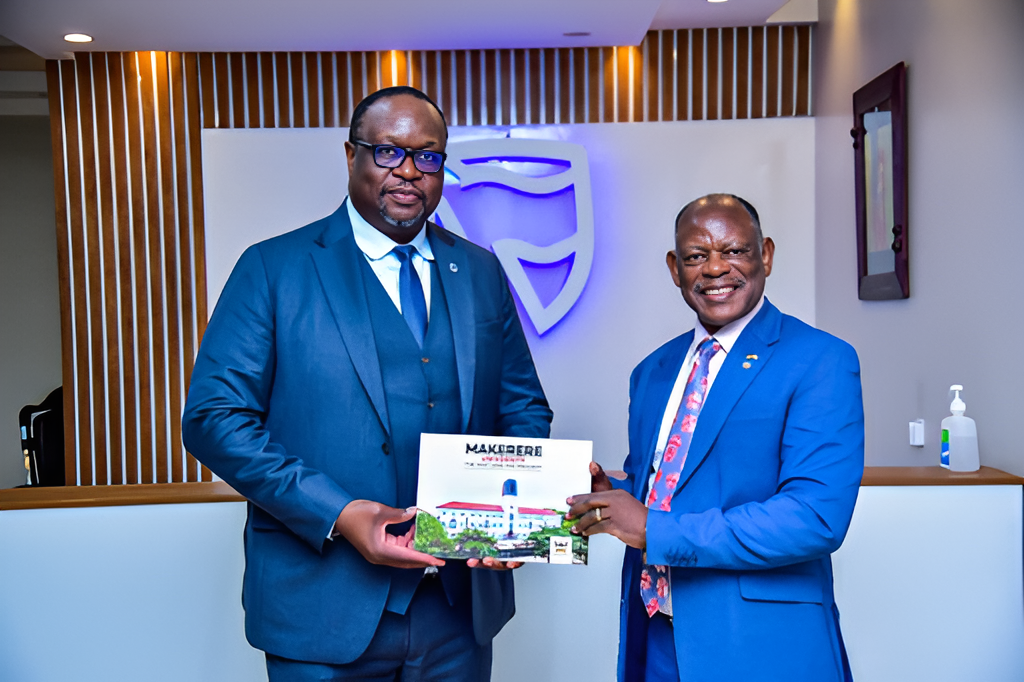
Prof. Barnabas Nawangwe at the signing of the KGC 2026 MOU
The Vice Chancellor noted that hosting the conference reflects Makerere University’s long-standing commitment to fostering intellectual exchange and positioning the institution as a hub for regional and global dialogue.
“Makerere University is proud to host the Kampala Geopolitics Conference because it creates an important platform for debate and exchange on the global issues shaping our world, while giving our students the opportunity to engage directly with leading thinkers and policymakers,” said Prof. Nawangwe.
Prof. Nawangwe further commended the Embassy of France in Uganda, the Konrad Adenauer Foundation, and Alliance Française de Kampala for their continued collaboration with Makerere University in organizing the conference over the years. He expressed confidence that the 2026 edition will once again provide a dynamic platform for dialogue, bringing together scholars, policymakers, and students to examine the geopolitical trends shaping Africa and the wider world.
Speaking at the signing ceremony, H.E. Virginie Leroy, Ambassador of France to Uganda, highlighted the significance of the conference as a platform that encourages dialogue on global issues while empowering young people to participate in shaping the future.
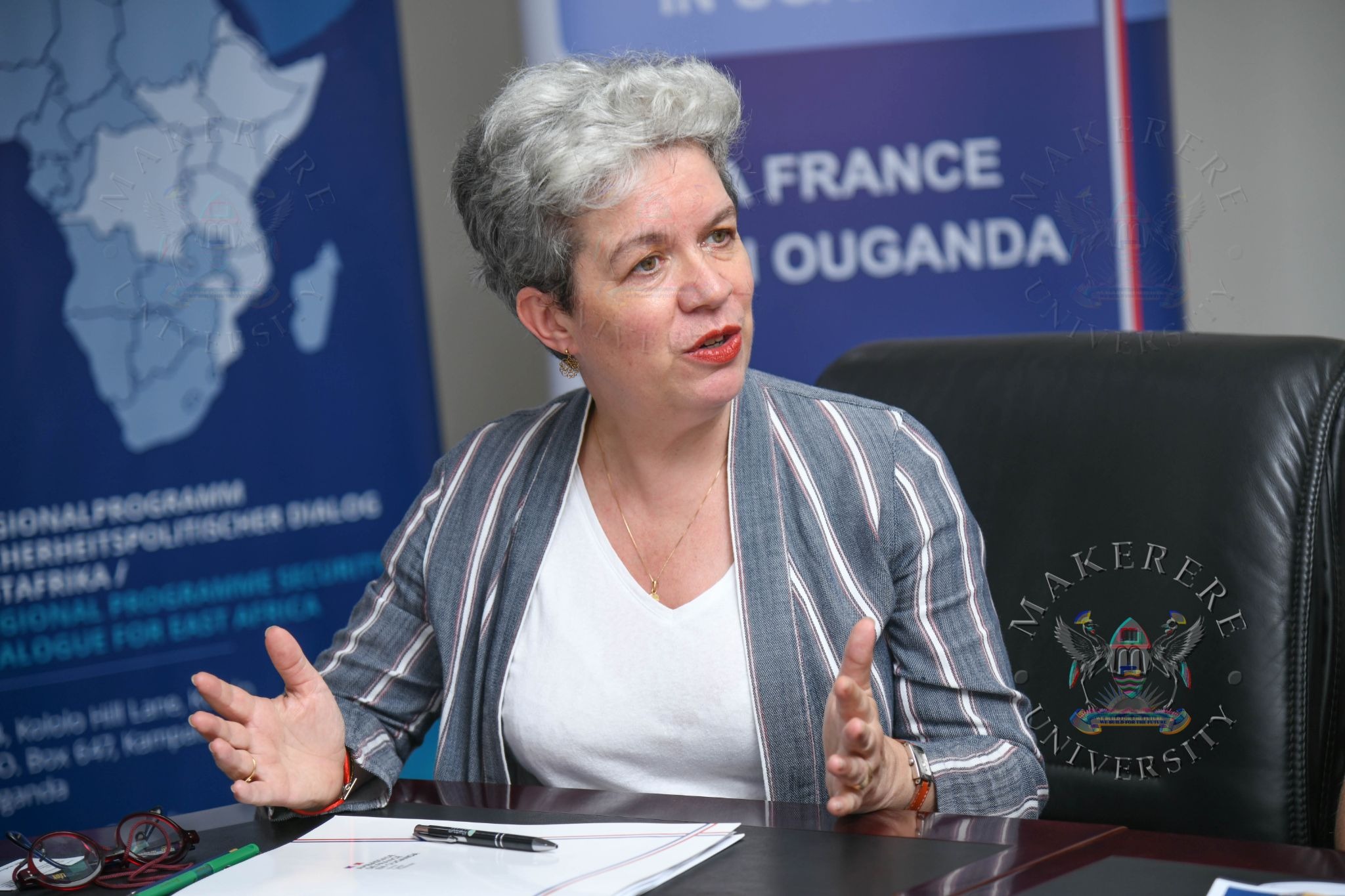
H.E. Virginie Leroy reading her remarks at the signing of the KGC 2026 MOU
Since its inception, the Kampala Geopolitics Conference has created opportunities for students, researchers, policymakers, and entrepreneurs to engage with some of the most pressing global debates. The Ambassador noted that the curiosity and engagement of Ugandan students have become one of the defining features of the conference.
“This conference has become a unique space where students, researchers, policymakers and civil society exchange ideas on the major transformations shaping our world,” Ambassador Leroy said, adding that the event demonstrates the intellectual vitality of Uganda’s youth and the strength of the partnerships that sustain it.
Strengthening Partnerships for Global Dialogue
The Konrad Adenauer Foundation, a long-standing partner in the initiative, reaffirmed its commitment to supporting platforms that foster meaningful discussions on international affairs and regional dynamics.
Speaking during the ceremony, Anna Reismann, Director of the Konrad Adenauer Foundation in Uganda, emphasized the importance of the conference in connecting local perspectives with global debates.
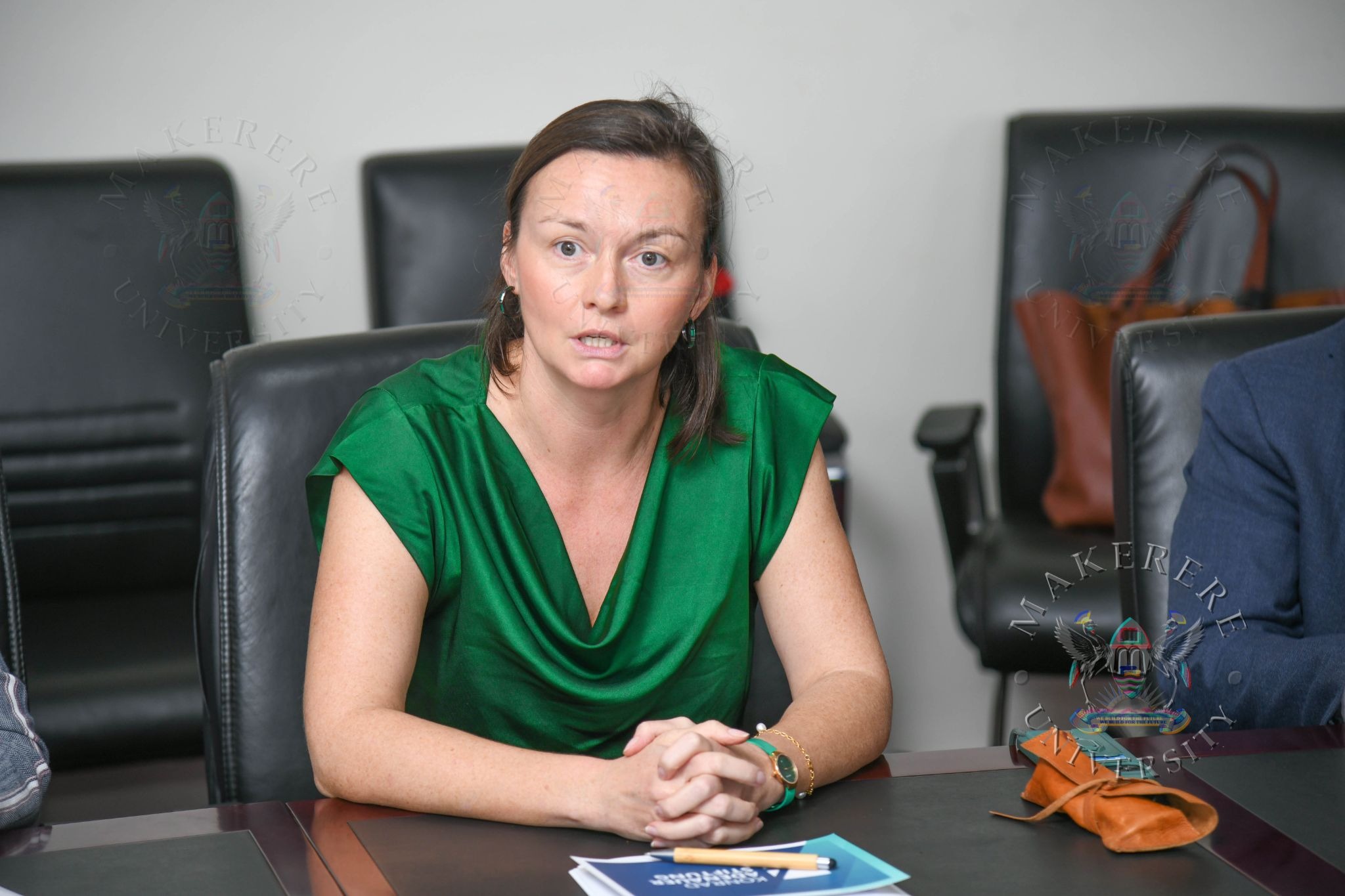
Anna Reismann respondin to the Q&A from the media
She noted that Africa has increasingly become a focal point in global geopolitics, attracting engagement from a wide range of international actors through investments, trade, security cooperation, and diplomatic partnerships. While these engagements create new opportunities for economic growth and technological advancement, they also raise important questions about sustainability, governance, and the terms of international cooperation.
According to Reismann, the conference provides an important forum to examine these issues and to encourage dialogue that bridges academic perspectives with practical policy considerations.
The 2026 edition of the Kampala Geopolitics Conference will focus on key global and regional issues shaping international relations and development.
Among the themes to be explored are the future of development cooperation, particularly as global aid dynamics evolve and countries explore more sustainable and balanced partnerships. Another panel will examine youth and public policy in Africa, recognizing the critical role that young people play in shaping governance, innovation, and development across the continent.
With Africa home to the youngest population in the world, discussions will highlight the importance of ensuring that young people are not only beneficiaries of public policies but also active contributors to their design and implementation.
Makerere University at the Centre of Global Conversations
Hosting the conference reflects Makerere University’s continued commitment to fostering intellectual exchange and positioning the institution as a hub for regional and international dialogue.
Through its partnerships with global institutions such as the Embassy of France, the Konrad Adenauer Foundation, and Alliance Française de Kampala, Makerere continues to create platforms that connect academic knowledge with policy discussions and real-world challenges.
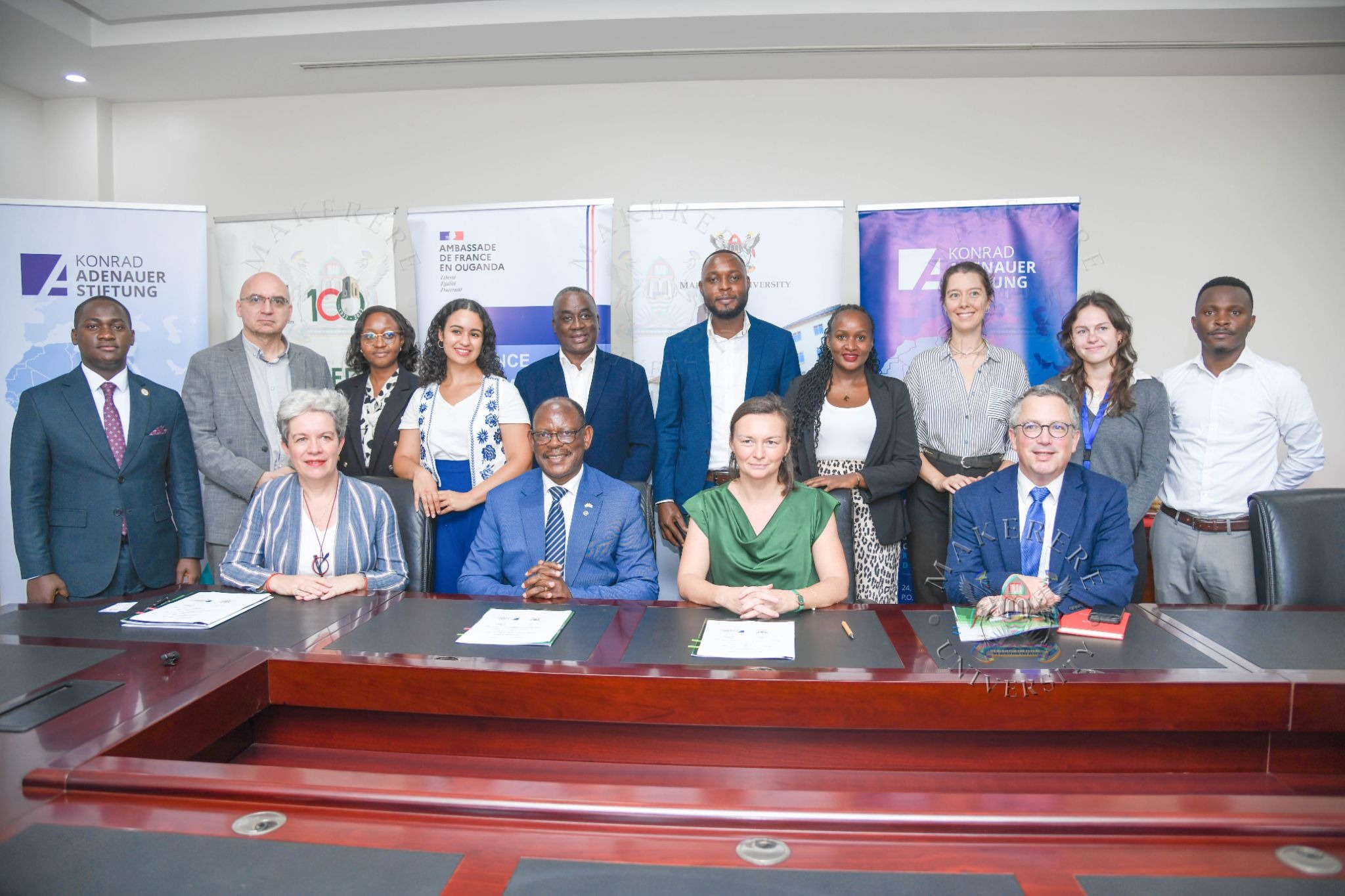
Representatives from the all participating partners of the KGC 2026 in a group photo
The Kampala Geopolitics Conference is expected to once again bring together leading experts, scholars, and practitioners from across Africa and Europe, while providing students with a rare opportunity to engage directly with global debates.
As preparations for the 2026 edition gather momentum, the partners expressed confidence that the conference will continue to inspire critical thinking, encourage dialogue across disciplines and generations, and strengthen cooperation between Africa and its international partners.