
Dr. Mary Goretti Nakabugo’s keynote returned the conversation to Kajubi’s vision: education as a human right and a foundation for responsible citizenship.
Makerere University continues to position itself as a hub for global academic exchange and strategic partnerships, as demonstrated by the successful hosting of the 2026 Professor William Senteza Kajubi Fulbright Memorial Lecture.
Now in its fourth edition since the revitalisation of the lecture series in 2022, the Kajubi Lecture has evolved beyond a commemorative academic event into a powerful platform for institutional collaboration, most notably between Makerere University and the United States Embassy in Uganda. This partnership, anchored in the shared legacy of Professor William Senteza Kajubi as the first African Fulbright Scholar, reflects a deeper commitment to knowledge exchange, diplomacy, and education reform.
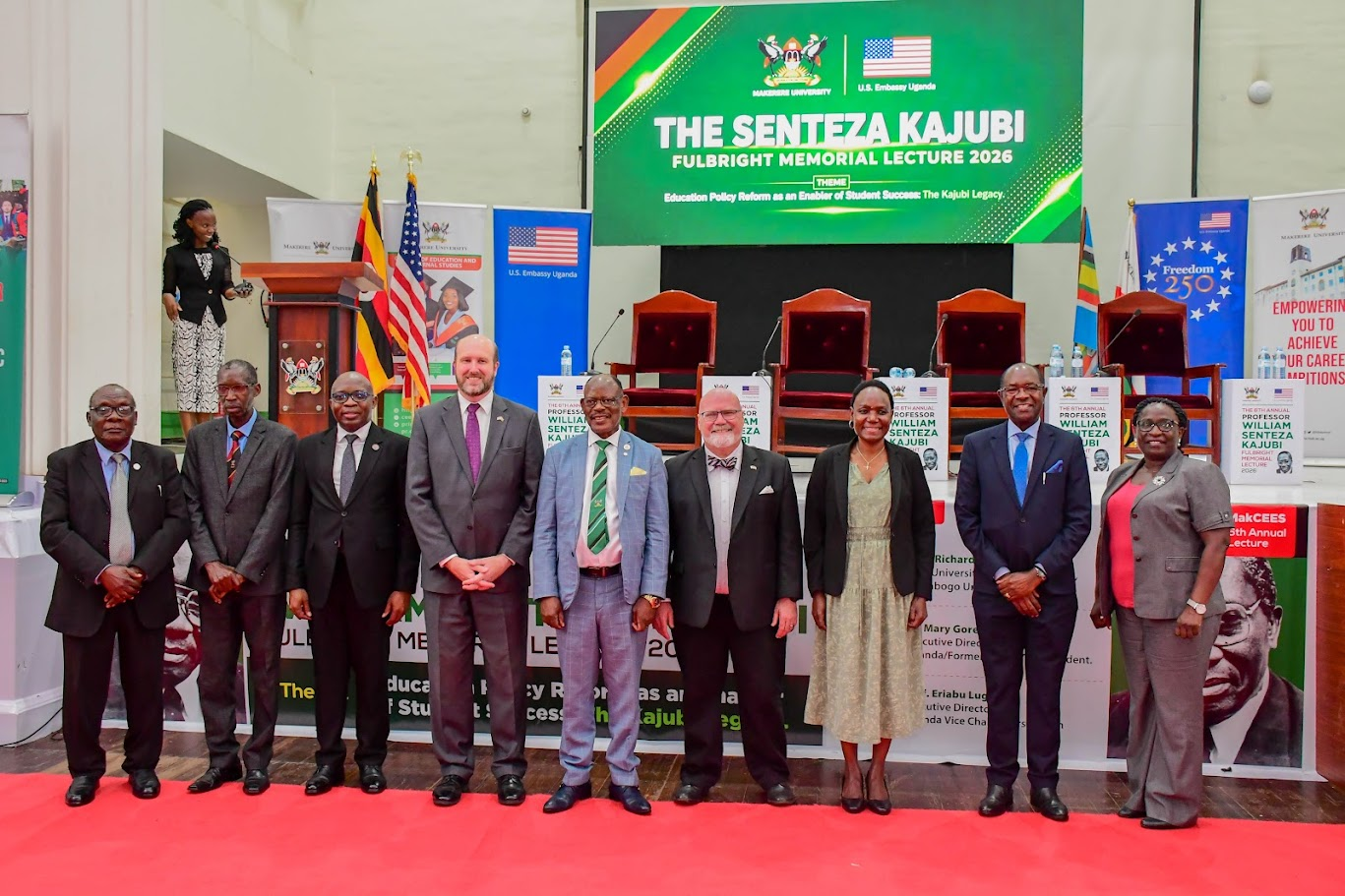
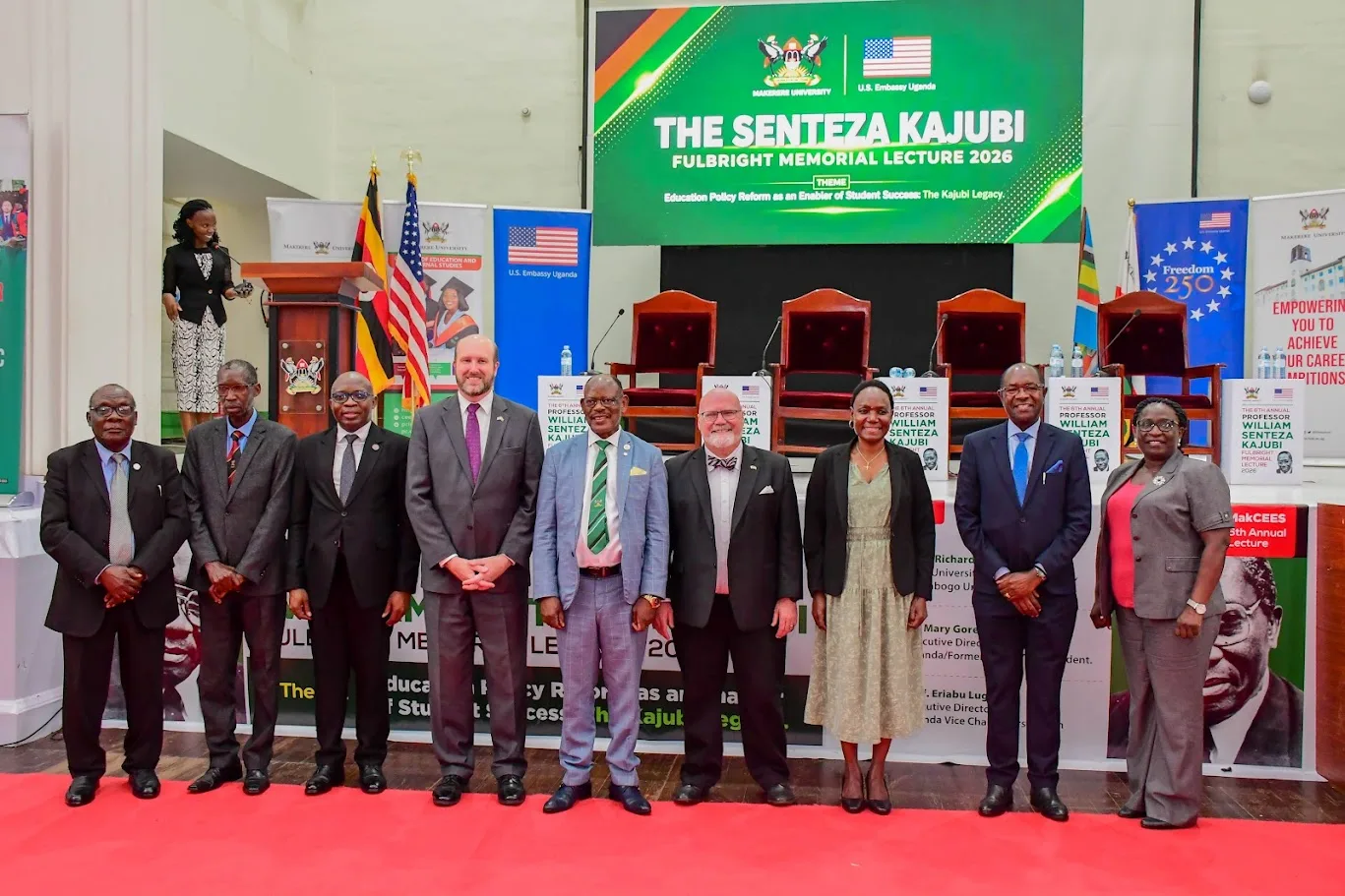
A group photo of key delegates, panellists, and partners at the Senteza Kajubi Public Lecture
The 2026 lecture, held on April 23 at the Makerere University Main Hall, convened a diverse audience of policymakers, scholars, Fulbright alumni, students, and development partners, underscoring the multi-stakeholder approach required to drive meaningful education reform.
At the heart of this collaboration is a shared belief in the transformative power of education and international exchange. In his remarks, the United States Ambassador to Uganda, William W. Popp, emphasised that the Fulbright Program represents more than academic mobility; it is a bridge between nations, fostering mutual understanding and long-term cooperation. He noted that such exchanges strengthen both countries by creating enduring networks of collaboration and shared knowledge.
This partnership is not incidental but rather intentional. Through the Advancement and International Office, Makerere University has strategically aligned the College of Education and External Studies (CEES) with the U.S. Embassy to ensure that the Kajubi Lecture serves as both an intellectual platform and a diplomatic touchpoint. The lecture reinforces ongoing cooperation while also expanding opportunities for academic exchange, research collaboration, and alumni engagement.
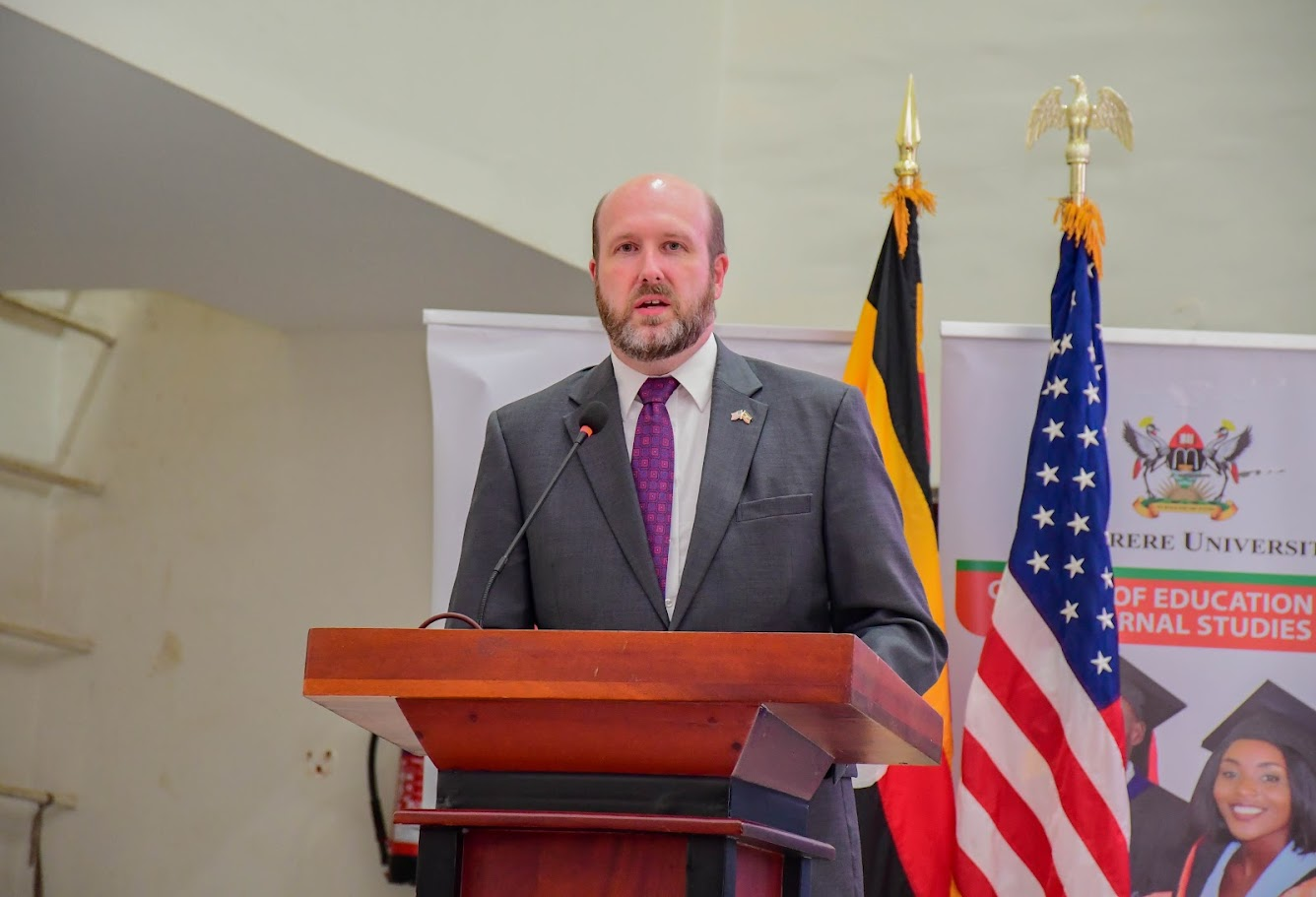
H.E Amb. William Popp addressing the audience at the lecture
Delivering the keynote address, Dr. Mary Goretti Nakabugo, Executive Director of Uwezo Uganda, brought the discussion back to the core purpose of education policy: enabling student success. Her address traced the enduring influence of the Kajubi legacy on Uganda’s education system, highlighting both progress and persistent challenges in access, quality, and relevance.
At the heart of her message was a return to Kajubi’s foundational belief: that education is both a basic human right and a tool for shaping responsible citizens. Education, she emphasised, must go beyond the acquisition of certificates to cultivate values, critical thinking, and a sense of civic responsibility.
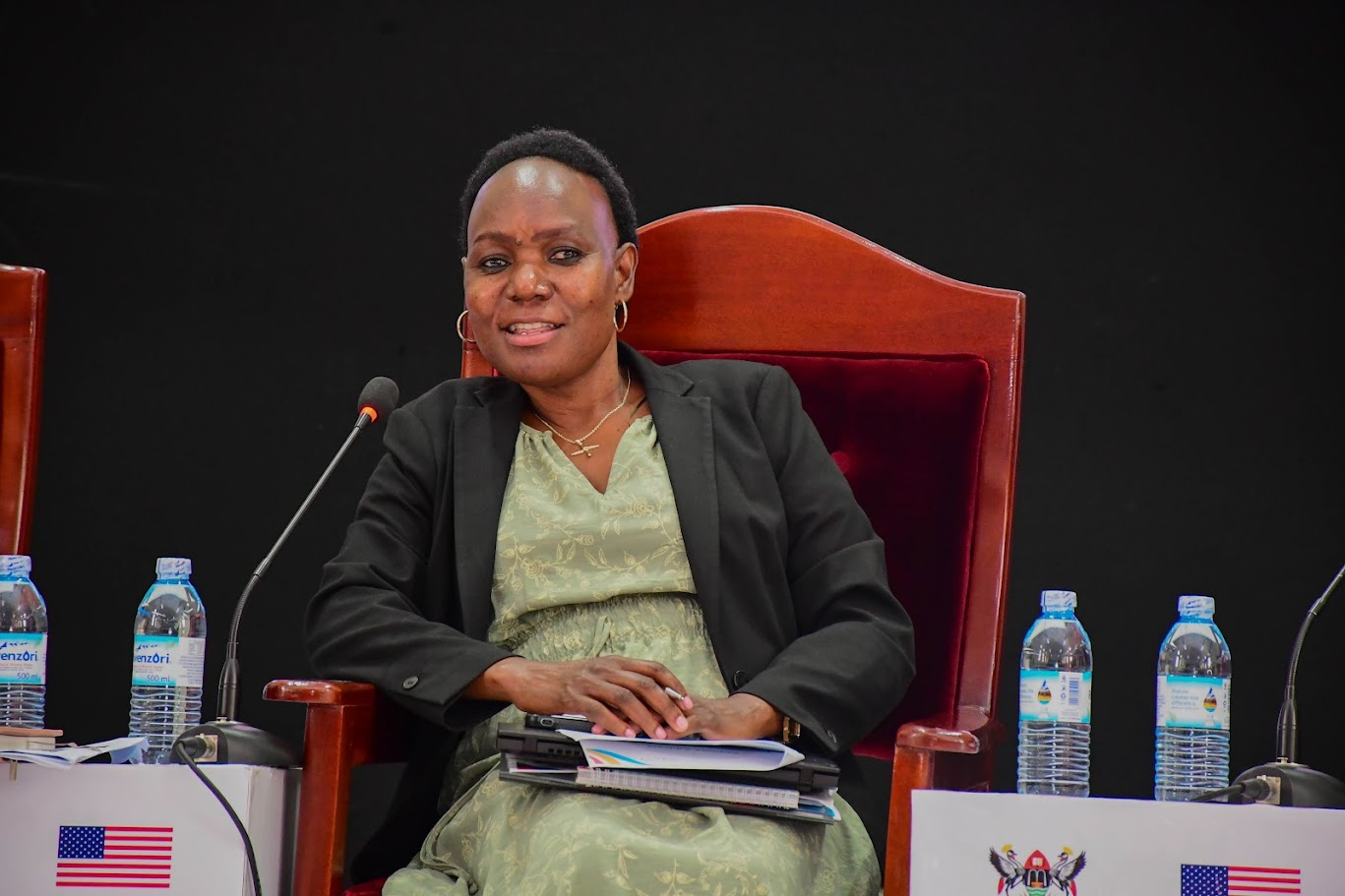
Dr. Mary Goretti Nakabugo addressing the Q&A from the audience during the lecture.
A central critique in the keynote was the increasing dominance of technocratic approaches to education policy. While economic growth and workforce readiness are important, Dr. Nakabugo cautioned against reducing education to a tool for productivity alone. In doing so, systems risk neglecting the broader purpose of education, to nurture well-rounded individuals capable of contributing meaningfully to society.
This calls for a redefinition of student success. Success, she argued, should not be measured solely by enrollment or completion rates, but by meaningful outcomes: literacy, competence, retention, and the ability to apply knowledge in real-world contexts. It is about preparing learners not just for jobs, but for life.
To achieve this, Dr. Nakabugo called for a renewed commitment to the Kajubi vision. This includes making education truly universal and equitable, investing in teachers and infrastructure, strengthening inclusive support systems, and reducing the financial burden on families. Equally important is the need to re-centre values such as critical thinking, citizenship, and accountability within the education system.
The Vice Chancellor of Makerere University further underscored this point, noting that education remains one of the most powerful instruments for building bridges between people and cultures. He expressed appreciation to the United States for its continued support, recognising the partnership as a critical contributor to Uganda’s development and to Makerere’s global outlook.
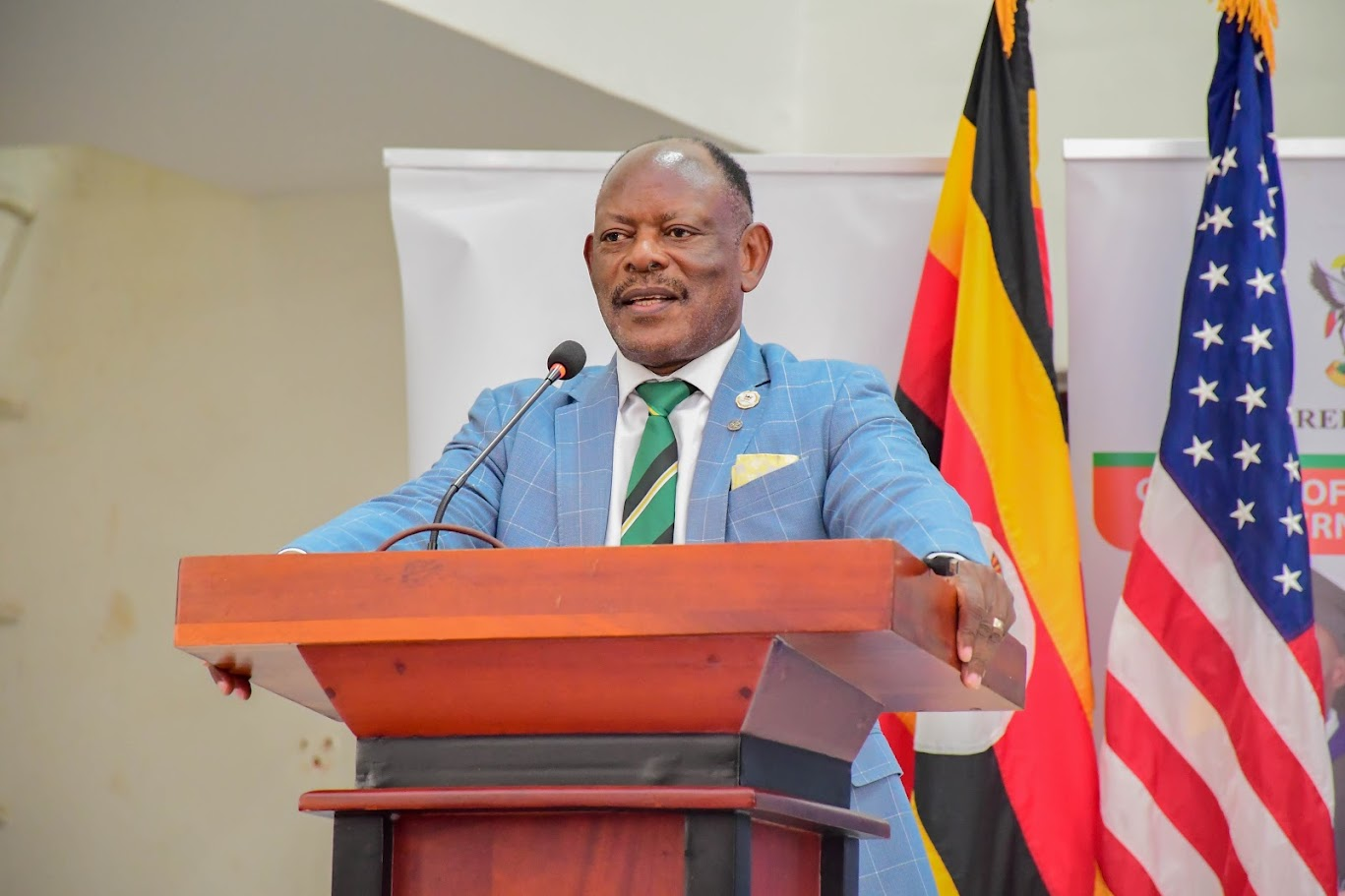
Prof. Barnabas Nawangwe, giving his remarks during the Senteza Kajuba Lecture
Before the Senteza Kajubi Memorial lecture, at a farewell cocktail session for H.E Ambassador. William Popp, the Vice Chancellor, expressed sincere appreciation to H.E. Amb. William W. Popp for his distinguished service and steadfast support to Makerere University during his tenure. He noted that the United States has remained a key partner in advancing the University’s global engagement, with a significant number of Makerere’s academic and institutional partnerships anchored in collaborations with U.S. universities. The Vice Chancellor commended Ambassador Popp for strengthening these ties and for his commitment to fostering academic exchange, research collaboration, and mutual understanding between Uganda and the United States.
Importantly, the Kajubi Lecture continues to serve as a convening space for Fulbright alumni, policymakers, and scholars, reinforcing a growing network of individuals committed to shaping the future of education in Uganda and beyond. This aligns with the broader objective of the lecture to initiate and sustain conversations on education policy reform while strengthening institutional and international cooperation.
As Makerere University advances its strategic priorities in internationalisation and alumni engagement, the Kajubi Fulbright Memorial Lecture stands out as a model of how legacy, partnership, and purpose can converge to drive impact.