
If Lumumba lost, the real battle often began. Stones flew through the air, and anyone on the pitch risked becoming a target. Looking back, Amuti acknowledges the recklessness of such moments, but he remembers them as expressions of a powerful collective spirit.
During a sermon at St. Francis Chapel Makerere about culture and spiritually dressing as soldiers of Christ, Geoffrey Amuti, now a 57-year-old accountant who has served at Makerere University since March 1992, found himself reflecting on the camaraderie and commitment that defined his Lumumba days.
Amuti reported to Makerere University in 2001 as a fresher and graduated in 2004 with a Bachelor of Commerce degree. Although he did not spend nights in Lumumba Hall, he was attached to it. Resident or attached, students who had Lumumba Hall written on their university admission letters were properly initiated into the hall culture by the “elders” (elder students). Home was not far away, he lived in Kikoni with his elder brother who supported both his academic and financial life at the university. But most of his time was spent on campus.

Amuti’s semester registration certificate for Year 1 Sem II (2002), which students received after manual semester registration
In his sermon on culture, these memories resurfaced. He mentioned that students nowadays are not enjoying campus culture as they did during their days. I followed him out after the service and asked what young people today might be missing from that era, and he was especially enthusiastic about the football matches and the shared identity that made students feel larger than life.
And who was Lumumba’s ferocious opponent? Northcote! The football matches between Lumumba and Northcote were not, according to Amuti, ordinary sporting events. They were moments when hall spirit came alive.

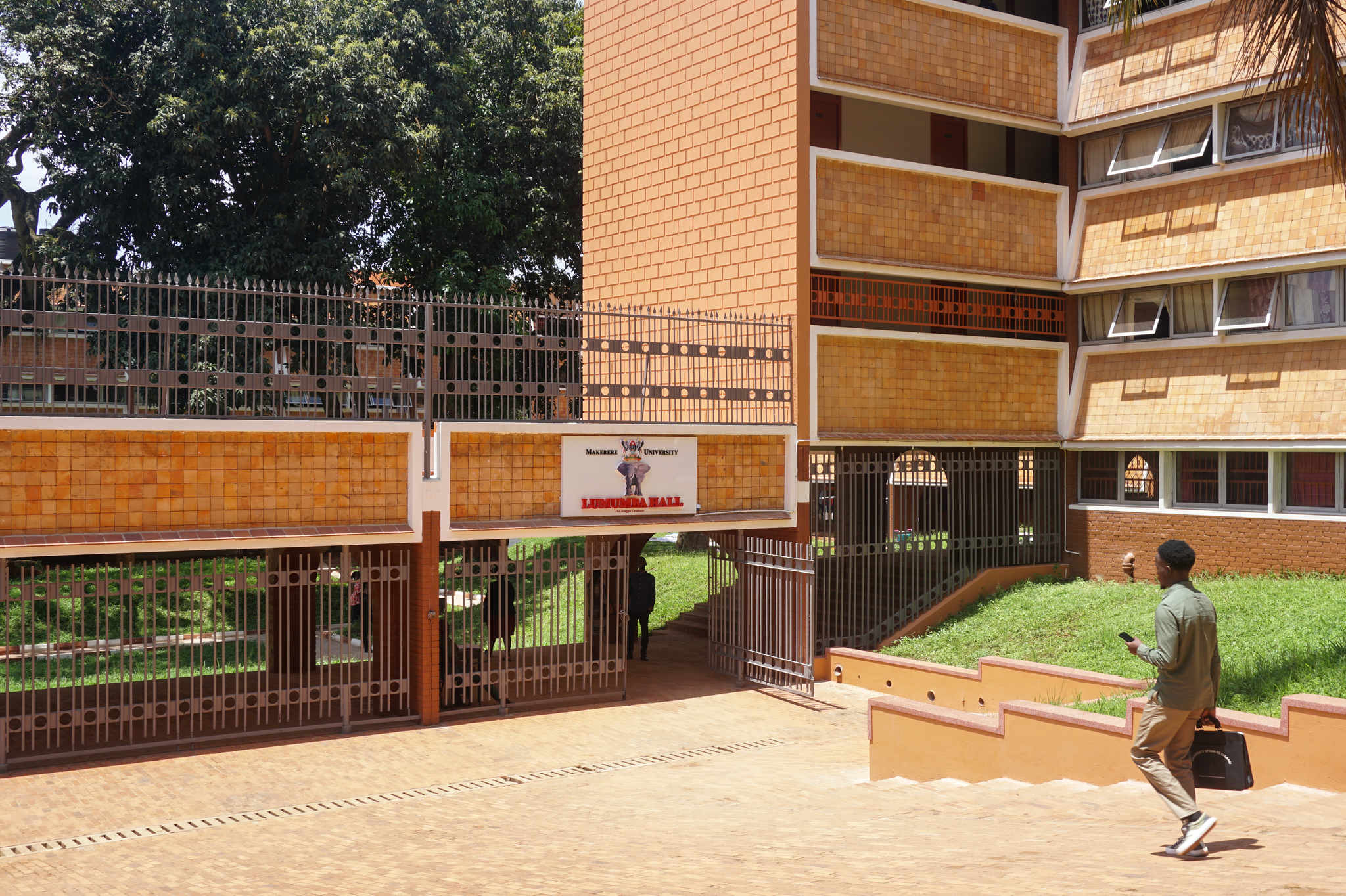
Amuti at present, 2026 in front of Lumumba Hall
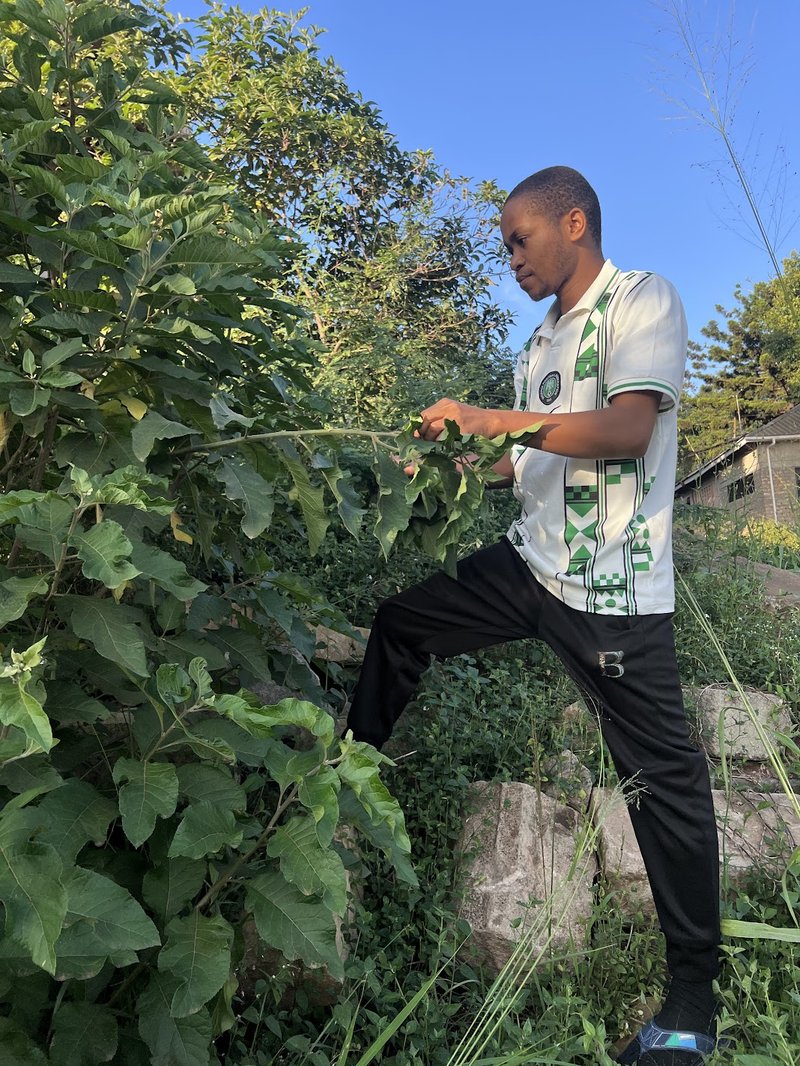
Whenever a match against Northcote approached, he remembers, preparations began long before the first whistle. Students organised themselves with remarkable seriousness. Some students managed to get military fatigues disguised as the army. Others covered themselves with leaves from climbing plants that did not irritate the skin. They organised themselves as foot infantry guarding the “State Car”, a tractor they had picked from the Estates and Works department, meant to be used in a “smart way”— it was not official that they had hired the vehicle. They would fill the rock picker of the tractor with stones as ammunition. To them, playing against Northcote meant that “war had broken”.

Amuti (white shirt) and friend pose besides the Main building during his days as an undergraduate student
The motto of Northcote was "We either win or they lose," but this also inspired Lumumba to prepare much more in the background. Northcote had also shaped how Lumumba behaved because predominantly, Northcoters got actual military attire and allegedly, sometimes grenades, although they never used them. “Or perhaps the grenades were not real,” Amuti says with a laugh.
If Lumumba lost, the real battle often began. Stones flew through the air, and anyone on the pitch risked becoming a target. Looking back, Amuti acknowledges the recklessness of such moments, but he remembers them as expressions of a powerful collective spirit. The Makerere football pitch today is being upgraded as part of Uganda's preparations for international football competitions, but for Amuti it still feels like a place where they as young men learned loyalty and courage.
"It is a culture that is not there now," he reflects.
Yet hall life was not only about rivalry and football. It was equally about study. Students spent long hours surrounded by towering piles of books. Reading was an activity pursued with commitment. Amuti contrasts those years with the present, where information is abundant and instantly accessible. "We had voluminous books heaped in front of us, and we would read," he says. "Today there is an information explosion, but perhaps people engage with information differently."

Amuti (white shirt, dark blue trousers) and friend walking down the aisle of the Faculty of Arts (now College of Humanities and Social Sciences) quadrangle
More than two decades after graduating, Amuti alongside his professional responsibilities is deeply committed to his Christian faith. He regularly participates in Morning Glory prayers, a daily fellowship that gathers from 7a.m to 8a.m, and is known among colleagues and friends as a devoted intercessor.